
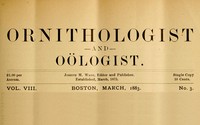
The Ornithologist and Oölogist. Vol. VIII No. 3, March 1883 by Various
Forget everything you know about modern birdwatching with its field guides and binoculars. The Ornithologist and Oölogist, Vol. VIII No. 3, March 1883 is the real, unfiltered deal. This isn't a storybook with a plot; it's a monthly journal, a collection of letters, reports, and queries from a community of amateur and professional naturalists in the late 19th century. The 'story' here is the slow, collective puzzle of understanding birdlife, one eggshell measurement and one county report at a time.
The Story
Imagine a group chat, but written with quill pens and mailed across the country. That's this journal. One correspondent passionately argues that slight variations in egg coloration from Sussex must indicate a new subspecies of thrush. Another writes in from Cornwall, meticulously detailing the first cuckoo sighting of the spring. There are detailed, often grimly practical notes on the best ways to preserve skins and blow out eggs. The 'conflict' is in the debates: Is this bird just a local variant? Was that collector's method ethical? The narrative is the push and pull of a science being built, brick by brick, through shared obsession.
Why You Should Read It
This is where the magic happens. The writing is dryly technical one minute and suddenly lush with old-fashioned admiration the next. You get this stark contrast between the beauty they see—'the azure tint of the kingfisher's egg is quite beyond description'—and the casual violence of their hobby. It forces you to think about how our relationship with nature has evolved. I found myself totally immersed in their world, rooting for them to solve an egg mystery, then cringing at their methods. It's a profoundly human document. These weren't villains; they were passionate people working with the knowledge and norms of their time. Reading it is a unique exercise in historical empathy.
Final Verdict
This isn't for everyone. If you need a fast-paced plot, look elsewhere. But if you're a history or science buff with a taste for the unusual, this is a treasure. It's perfect for nature lovers curious about the roots of their hobby, writers seeking authentic Victorian voices, or anyone who enjoys primary sources that haven't been polished for modern sensibilities. Dive in for a truly unique, thought-provoking, and unforgettable glimpse into a forgotten world of fascination.
This book is widely considered to be in the public domain. Feel free to use it for personal or commercial purposes.
Daniel Hill
1 year agoThe index links actually work, which is rare!

Joseph Johnson
8 months agoA sophisticated analysis that fills a gap in the literature.